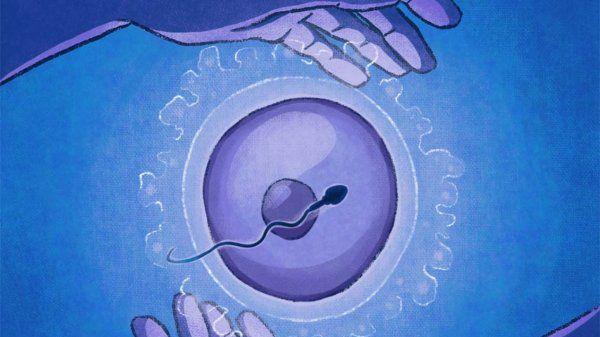

IVF patients who have completed their family sometimes face a difficult decision about the disposition of their remaining embryos. Donation to another patient, part of a couple or single, at UCSF is an option they may consider for their unused embryos. Donating your embryos to other patients who are yearning to become parents is a very generous act.
Embryo recipients are UCSF infertility patients. They choose to use a donor embryo because they may have male and female factor causes for their infertility, previous failed treatments, or very low chances of success with other fertility treatments. They may be couples or single women.
Embryo donation is relatively new terrain, and there is much we still don’t know about its long term psychological, social, and legal implications. While this is an ongoing area of active research, it is important that patients enter the process as well-informed as possible. Both donors and recipients must understand that the recipient couple will be the parents of any child that may be born, even though the child is genetically related to the donors. The child will derive their innate traits from the donors, yet the recipients will be raising the child, and thus will be provide the nurturing environment in which the child will grow and develop. It is common for donors to have concerns about having a child born from their embryos raised in another family that they do not know. Potential donors need to carefully evaluate and understand how they may feel about wondering if their embryos ever did lead to a child and if so, how the children are doing.
It is recommended that recipients plan to share with their child at some time in the future the nature of how the child was conceived. This is important so that the child can have accurate information about their genetic history. Also, parents who don’t share this information with the child run the risk of the child finding out accidentally or from someone else in the future. Therefore, recipients and donors must understand that, someday, the child born from embryo donation may want more information about their genealogy or genetic health history. In addition, some children born from embryo donation may want to meet the donors and their families. It is important for donors to consider how they might feel about these possibilities.
Although we encourage donors to be open to helping the next recipient on our waiting list, donors are permitted to make personal restrictions regarding marital status, ethnicity, religion, gender, and sexual orientation.
Some donors and recipients meet during the cycle preparation process. This meeting, if requested, is arranged by our staff and takes place with Dr. Pasch, our psychologist, in attendance.
If a patient desires, they are notified if their embryos are donated and the outcome of the initial pregnancy test. We cannot guarantee, however, further information about the outcome of the pregnancy or birth of a child.
It is important to keep in mind, that most embryo donations are anonymous, meaning that the donors and recipients do not know each other before the donation and do not exchange identifying information.
In some instances, we can arrange open donation cycles, where the couples meet and maintain a relationship, depending on the desires of donors and recipients. There is also the possibility that adult offspring of embryo donation will eventually want to talk to or even meet the donors and/or the donors’ children. Patients can discuss these possibilities with our psychologist.
Once a decision is made to donate embryos, storage fees are no longer charged. UCSF covers the cost of screening to determine suitability for donation. Patients do not receive any monies for donating their embryos
Donors sign a consent form stating that at the time of the transfer, they are relinquishing all rights and responsibilities regarding their embryos. There are no laws in California concerning embryo donation, however, recent court decisions suggest that in the case of donated eggs and sperm, the recipient parents will be recognized as the legal parents. Patients are encouraged to consult their own attorney with further legal concerns.
The Embryo Donation Team is available to help you decide if donation is right for you. Please call Donah Villaroman with any questions at (415) 885-7585.
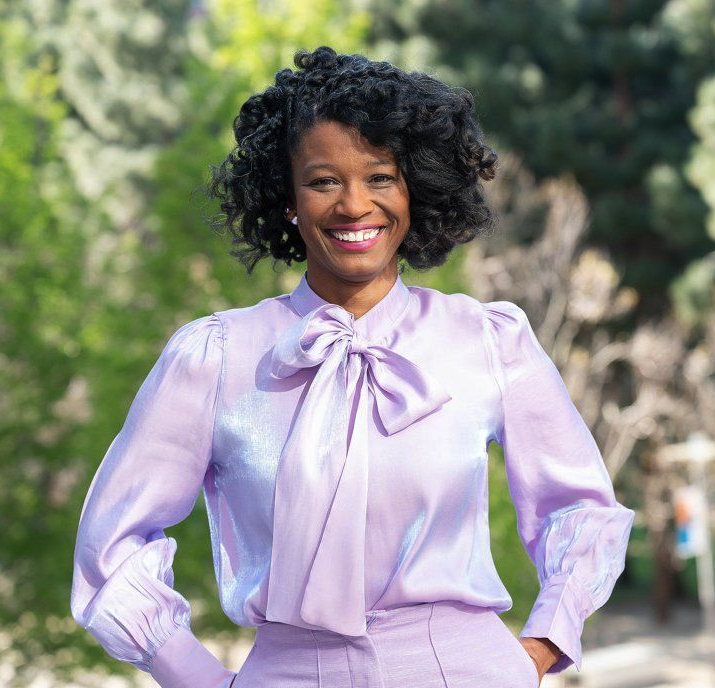
Donah Villaroman, screening and matching coordination
Sandra Cisneros, RN, cycle coordination
Gina Davis, MS, CGC, genetic counselor
Lili Kuzmich, MS, genetic counselor
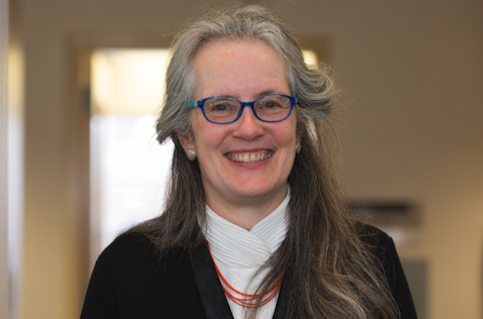
Lauri Pasch, PhD, psychologist
Victor Fujimoto, MD, medical director
| The UCSF Center for Reproductive Health, located in Northern California's San Francisco Bay Area offers a comprehensive array of infertility evaluation and treatment options for both men and women. Our services include: Infertility Evaluation, Male Reproductive Health, Fertility Preservation, Reproductive Surgery, Tubal Reversal Surgery, In Vitro Fertilization (IVF), Intracytoplasmic Sperm Injection (ICSI), Pre-implantation Genetic Diagnosis (PGD), Intrauterine Insemination (IUI), Ovulation Induction, Donor Sperm Insemination, Egg Donor Program for Donors, Egg Donor Program for Recipients, Embryo Donation Program for Donors, Embryo Donation Program for Recipients, Polycystic Ovarian Syndrome (PCOS), Recurrent Pregnancy Loss, Gestational Surrogacy, Genetic Screening and Counseling Psychological Support. |
© 2010 The Regents of the University of California. All rights reserved. |
Terms of Use / Privacy Policy |